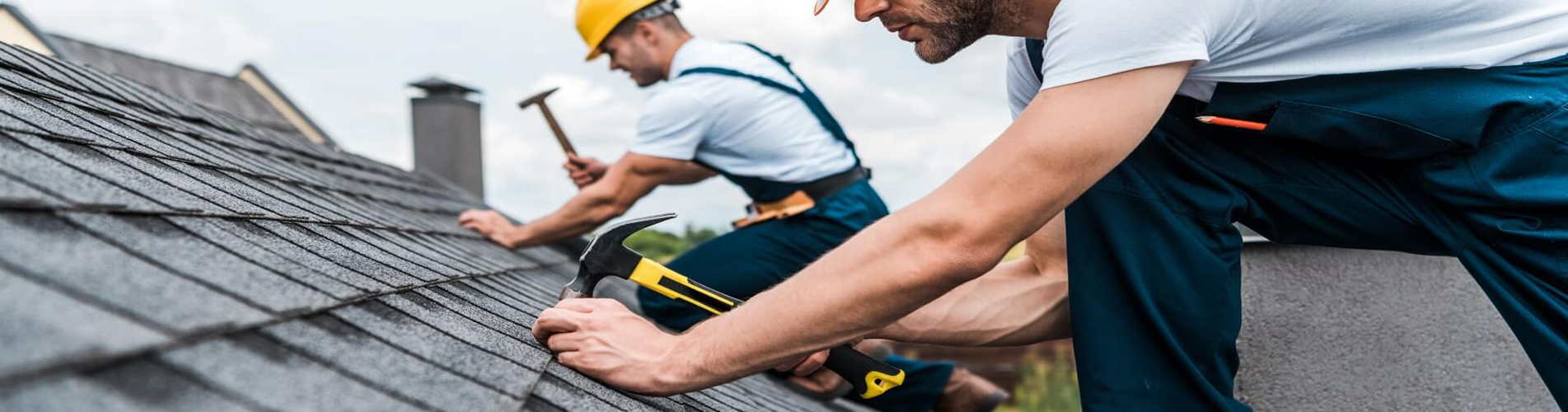
Laying concrete blocks and stuffing fiberglass into wall cavities used to take weeks. I remember doing exactly that 15 years ago. Mortar had to cure. The final result? A structure that bled heat every winter. Watch a commercial installation crew today. They seal massive building envelopes in days. Sandwich panels completely killed the old masonry model.
Analyze the failure points of a traditional wall system. Multiple overlapping layers. Brick. Air barriers. Siding. Different subcontractors managing each phase means guaranteed gaps. Thermal bridging is inevitable. Sandwich panels consolidate the entire assembly on the factory floor. Twin steel skins bonded to a rigid foam core. You install the structure and the thermal break simultaneously. Rain during installation doesn't ruin the core material.
Chemistry dictates the performance. PU (Polyurethane) holds the industry baseline—closed-cell, highly moisture resistant, pushing a 0.022 W/m·K thermal conductivity. PIR formulation drops that metric to 0.018 and achieves a strict B1 fire rating. When municipal inspectors demand zero combustibility, Rock wool is the Class A1 solution. EPS? Strictly designated for cost-controlled, dry storage environments.
Installation speed matters to the general contractor. Lifecycle performance matters to the facility owner. Internal cavity insulation eventually sags. Rigid foam cores do not. Pair that structural stability with proper galvanization—Z150 standard, Z275 for coastal exposure—and rust is neutralized. The immediate drop in utility overhead typically offsets the panel procurement cost within thirty-six months.

Copyright @ 2026 CHENGDU PROPANEL TECH CO., LTD. All Rights Reserved.  Network Supported
Sitemap / Blog / XML / Privacy Policy
Hi! Click one of our members below to chat on