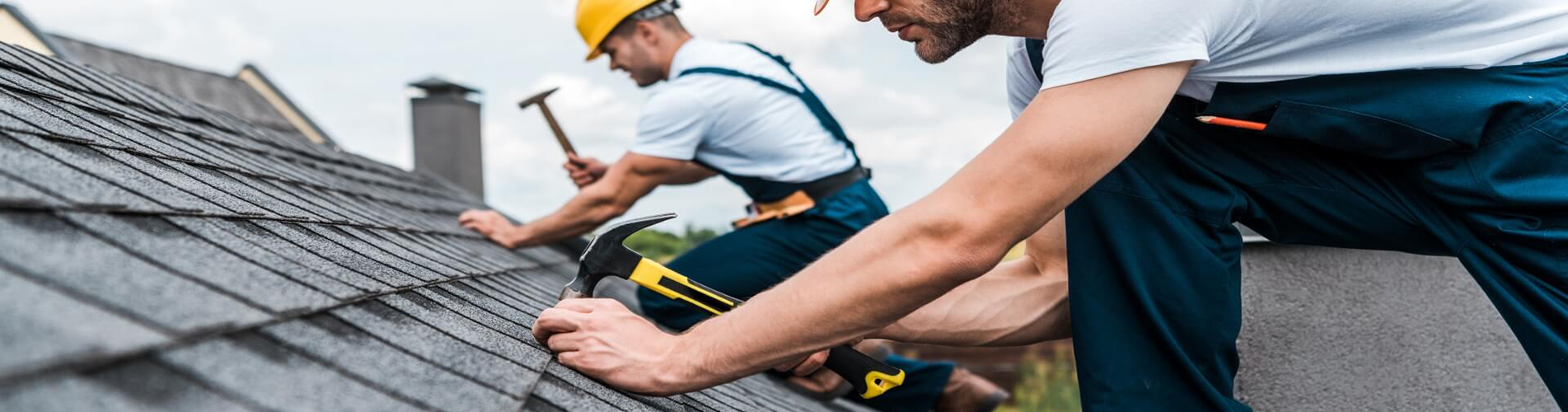
The sandwich panel factory building is a refined enclosure system, and 80% of the problems are caused by irregular installation. Common problems during the installation process are as follows:
1. Improper tightening of screws, causing chronic water leakage
Self-tapping screws and EPDM waterproof washers are key waterproof nodes. If the screws are tightened too loosely, the gasket cannot fully fit the board surface, and tiny gaps will appear, allowing rainwater and moisture to slowly penetrate into the board core; if the screws are tightened too tight, the board surface will be crushed and the core material will be squeezed and damaged, causing the gasket to be permanently deformed and lose its waterproof performance. Many projects begin to seep water and have uneven board surfaces after half a year of use. This is basically caused by improper screw torque control.
2. The seams between the panels are not properly sealed and there is no complete vapor barrier.
Some construction teams only rely on tongue-and-groove splicing of boards, omitting sealants and waterproofing auxiliary materials. The seemingly tight seams are actually full of tiny gaps. Especially in cold storage, slaughterhouses, and water-washed clean areas, moisture will continue to penetrate into the core of the board, causing the insulation layer to fail to absorb water, causing the board to become moldy and breed bacteria. In severe cases, it cannot pass the HACCP health acceptance. Insufficient overlap length of roof panels and glue faults are the number one causes of roof leakage.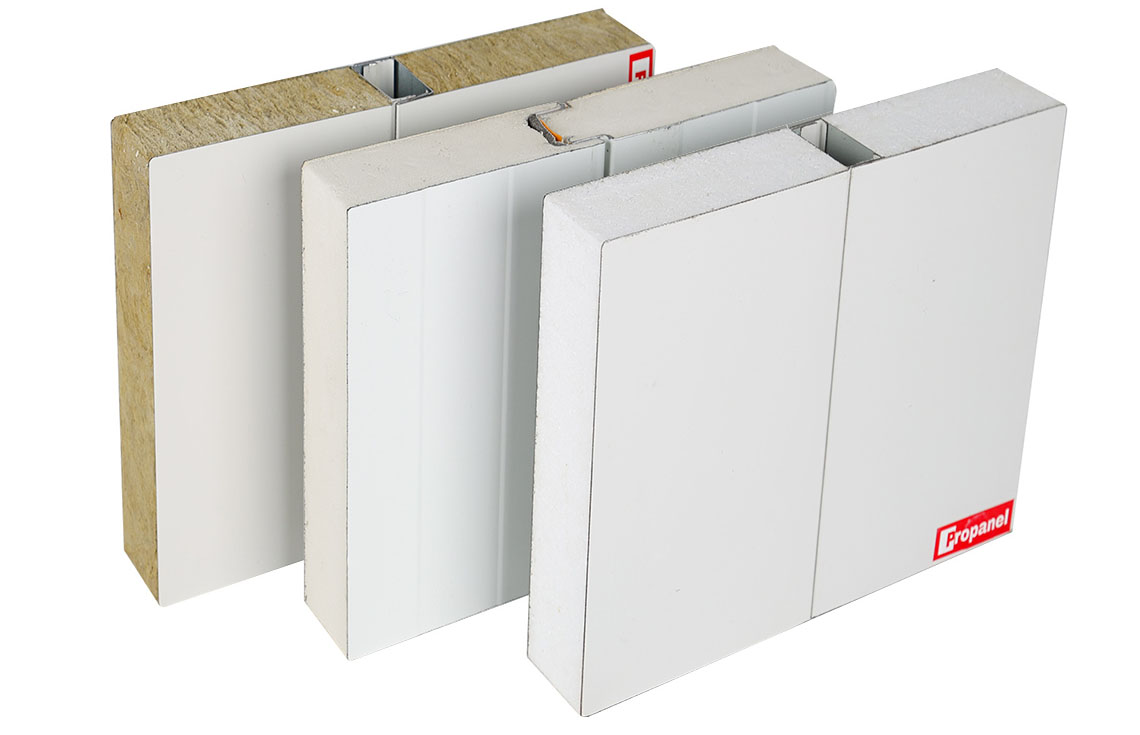
3. Neglecting cold bridge treatment, serious condensation in cold storage
This is the most fatal mistake in cold storage projects. In many construction sites, the panels are installed directly against the steel purlins and steel columns without adding heat insulation pads. Metal conducts heat very quickly, forming a large number of cold bridges. The temperature difference between inside and outside is conducted rapidly, causing frequent condensation and dripping on walls and ceilings. Not only does it increase the power consumption of the cold storage, but long-term water accumulation can also cause the steel plates to rust and the core materials to become damp and aged, significantly reducing the overall thermal insulation performance.
4. The installation direction of the roof panel is reversed and drainage fails.
Roof panels must be laid strictly in the water direction from the eaves to the ridge. Reverse installation will directly block the flow of rainwater, causing rainwater to pour back and accumulated water to flow into the seams of the boards. If the ribbed roof panels are installed upside down, the panels will not be able to drain naturally. Long-term water accumulation will accelerate the aging and corrosion of the paint surface and shorten the service life of the panels. Confusing the installation sequence will also lead to uneven joints and reduced sealing.
5. Random cutting on site will destroy the edge sealing structure of the board.
Random cutting of panels at door and window openings and corners will destroy the original factory sealing and edge sealing, causing the core material to be directly exposed. Once the incisions of rock wool and PIR boards are not subjected to secondary sealing treatment, they are easily susceptible to moisture absorption, delamination, and degumming, resulting in local insulation failure and a decrease in fire protection level, seriously affecting the overall project quality.
Sandwich Panel Project, Standardized screw fastening, sealing technology, cold bridge partitions, downstream installation, and incision protection can truly ensure that factories, cold storage, and clean workshops will not leak, condensate, or mold for a long time, making the project stable and durable.

Copyright @ 2026 CHENGDU PROPANEL TECH CO., LTD. All Rights Reserved.  Network Supported
Sitemap / Blog / XML / Privacy Policy
Hi! Click one of our members below to chat on